The word vinyasa comes from Sanskrit and is made up of two parts:
“vi” means “in a special way” or “with intention”
“nyasa” means “to place” or “to set”
Together, vinyasa means “to place in a special or intentional way.” In yoga asana (the physical practice of yoga or postural yoga), vinyasa refers to any movements linked to breath with deliberate awareness and intention.
It can describe a full flowing practice or a single thoughtful transition. This linking of breath and movement creates a rhythm that stimulates a mediative, relaxation response. This is why even a very physical practice, as long as it is not too stressful, can very extremely calming and grounding.
You may have heard teachers says, "...and, vinyasa..." a phrase often dropped to cue: plank, chattarunga, upward dog, downward dog, but a vinyasa can truly be any movements linked to breath, simple or complex, modified or challenging.
History and Roots of Vinyasa
Krishnamacharya was an Indian yoga teacher, Ayurvedic healer, and scholar. He is considered one of the most influential gurus of modern yoga and is often called the “Father of Modern Yoga” for his wide-reaching impact on the development of postural yoga.
Some of the earliest mentions of vinyasa yoga trace back to Krishnamacharya in the early 20th century at the Mysore Palace in India. While the vinyasa sequences he taught looked different from the ones we know today, he introduced the foundational concept of Vinyasa Krama—the intentional linking of breath and movement. This approach emphasized the synchronicity between postures and breath, not just for physical benefit, but as a path toward deeper meditation and inner awareness.
At the time, this style was both innovative and deeply rooted in yogic philosophy. It held the view that every movement, when approached mindfully, could become a meditative experience.
Several world-renowned teachers studied under Krishnamacharya before developing their own interpretations and schools of yoga. Among them were Pattabhi Jois and B.K.S. Iyengar, both of whom played a major role in the global spread of yoga asana. Their teachings helped establish vinyasa and alignment-based practices in the West, especially in places like California and London.
Vinyasa yoga likely gained popularity for its physically engaging nature. It offered practitioners a way to move their bodies, release tension, and access a sense of calm and clarity—often all in one class.
Pattabhi Jois went on to develop the Ashtanga Yoga system, which is firmly rooted in vinyasa-style movement. Over time, many other popular styles emerged from this lineage, including Jivamukti, Power Yoga (Beryl Bender Birch and Bryan Kest), Baptiste Yoga, Shiva Rea’s Prana Vinyasa, and the work of Seane Corn (one of my favourite teachers), among others.
I often recommend Episode 96 of the Let’s Talk Yoga podcast, hosted by Arundhati Baitmangalkar, titled “The History of Vinyasa Yoga with Vikram Jeet Singh.” When it was first released, I listened to it twice and felt like I learned so much. I just listened to it again this week and took away even more.
It moves quickly, so if you're not familiar with some of the terms or historical figures mentioned, it can be a little tricky at times, but hit pause, look things up and dive in. It's quite fascinating.
I recommend revisiting it as you deepen your practice and your study of yoga. It’s so important to understand the roots of what you're practicing and how this living tradition continues to move through you.
Vinyasa is like a dance or how I envision an inspired painter when they are in the flow. Being in a well measured, flowing vinyasa class can feel like stepping into a living, breathing piece of art. It is creative, responsive, and a different experience every time, even within familiar sequences.
A Class That Adapts to You
Vinyasa style classes often follow a loose framework, but it is never rigid. The energy, needs, and experience of the students present shape each practice. Whether you arrive feeling tired or energized, frantic or grounded, the practice should always support and meet you where you are at.
Some classes are built around a specific posture that we gradually prepare for. This could be a deep backbend, an arm balance, or a strong standing pose. Other classes are anchored in a more subtle theme, like grounding, softening, or connecting to your breath. These themes shape the structure of the class and offer deeper meaning and focus to your movement.
At the start of class, I often invite students to set an intention or offer a quiet dedication. This gentle focus can transform how we show up — not just in our physical movement, but in our awareness.
Intentions are often very personal. They invite presence, reflection, and alignment between mind, body, and heart. It can sometimes feel like a lot of pressure to set one. Here are some examples:
To stay present with each breath
To move with kindness toward myself
To balance strength and ease
To be curious rather than critical
To ground myself in this moment
To soften where I’m holding tension
To open to whatever arises
To connect with the rhythm of my breath
To listen inward
To create space in body and mind
Ask yourself:
"What do I need from my practice today?" or "How do I want to feel when I leave my mat?"
We start with grounding — a few moments to start to connect within, let go of all that came in getting to your mat, and tune into your breath. In some vinyasa style classes, the pace is quick, not leaving a lot of time for props. I believe there should always be enough time to set up properly and use props to help you feel supported and as ease, even within challenging asana and transitions.
A beautiful entry into vinyasa style practices may include movements like cat/cow, gentle forward folds, and child’s pose variations begin to link breath and movement.
Sun Salutations as the Heartbeat
Surya Namaskara A & B (Sun Salutation series A & B) usually follow the gentle warm up. They offer a deeper connection to rhythm and provide familiar repetition, which can be mentally challenging at first but also the best way to surrender. They are the heartbeat of a vinyasa practice and create space for variety while building heat and energy.
I might weave in lunges, twists, or backbends to the Sun Salutation sequencing depending on the day.
The main sequencing in a vinyasa style class usually includes standing poses, balance work, core exercises, and transitions that challenge focus and create presence. This is where your breath becomes a steady anchor. Even in moments of effort, there is an invitation to listen and stay curious.
Transitions Matter
How we move from one posture to the next carries as much importance as the posture itself. Thoughtful transitions help the practice feel whole, grounded, meditative, and safe.
After the main standing sequences in a vinyasa class, we return to the ground. Seated and reclining postures stretch the areas we’ve activated. This part of class slows everything down and gives the nervous system time to settle.
A Quieter, More Spacious Feel
The cueing disipates and an invitation to stay longer in each shape, to feel, explore and peel back the layers of sensation exists. The phsyical body will begin to release even more deeply and usually the mind follows. These final postures prepare you for full rest.
Savasana: The Final Rest
A Posture of Deep Receiving
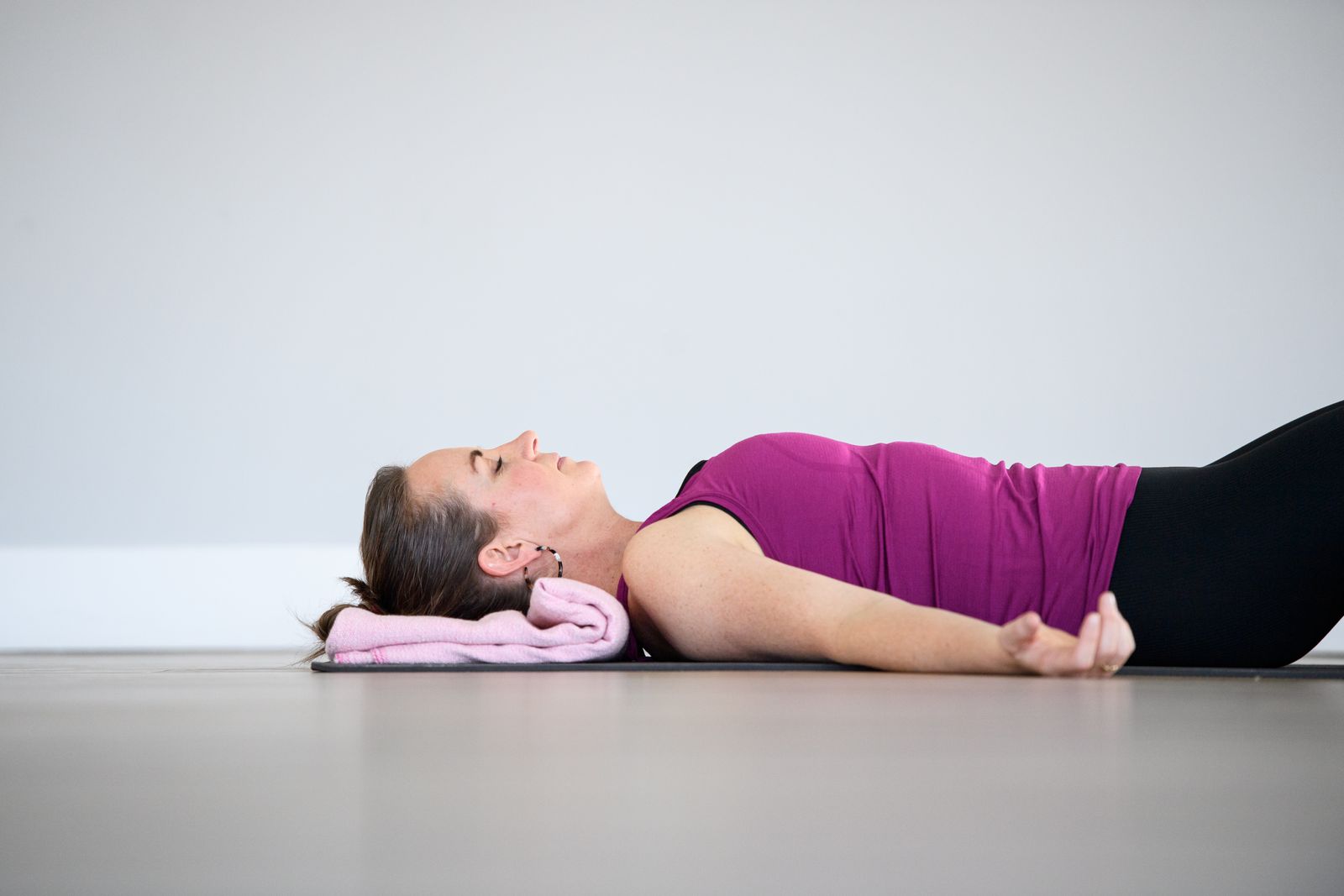
Savasana is more than a break. It is the culmination of your practice, a time to absorb and rest. Sometimes with music, a poem, or silence — whatever allows you to feel supported and free from effort. If props are used they should be used with intention to deepen the support of relaxation and surrender.
Stillness as Integration
This is where the benefits of the practice begin to settle into your system. With the body still and the breath quiet, you simply get to be.
A Practice of Presence
Why Vinyasa Feels So Alive
Vinyasa yoga is a practice of being with what is. It’s not about perfection or performance. It’s about presence. With each breath and movement placed intentionally, you create a unique experience that reflects who you are in that moment.
No two practices are ever the same, because no two days are the same. That’s the beauty of it.
Want to Practice Together?
If this resonates with you, I’d love to welcome you into class. I weave vinyasa style yoga sequencing into my in-person in Calgary (Elbow Park Community Centre - you do not need to be a resident to attend) and online through my on-demand library. Whether you're new to yoga or returning to your mat, there's space for you.
Visit my schedule to learn more, or reach out if you have questions. I’m always happy to help you find the practice that best suits you.