Utkatasana: Chair Pose
Sara Villamil | MAY 13, 2025
utkatasana: chair pose
yoga sanskrit
asana
postures
yycyoga
yoga in calgary
yoga texts
history of yoga postures
Sara Villamil | MAY 13, 2025

I get asked a lot of questions about this pose — both telepathically and verbally. The confusion on students’ faces or the repeated shifting of body positions tells me we aren’t always quite sure where or how to place ourselves in this posture.
One reason for this uncertainty is that there are multiple valid ways to practice Utkatasana. Some variations are considered modifications to accommodate strength levels, shoulder limitations, low back discomfort, or neck issues. Others are simply different expressions of the pose, depending on your intention behind the practice.

There are many, many ways to teach, learn, and explore this shape. You might practice:
Utkatasana is incredible for building strength, stability, resilience, and endurance. It’s not — and never will be — an easy posture. But within its intensity, a kind of gentleness can often be delivered and received. This posture is empowering.
In Sanskrit:
The name and the shape both evoke power, strength, and groundedness — even a sense of regal presence.
Personally, I feel that each variation of the pose carries a different energy:
If you’re looking for Utkatasana in the Hatha Yoga Pradipika (15th century), you won’t find it — and the same goes for many other familiar poses. These ancient texts primarily emphasize:
However, these foundational texts absolutely influenced the way modern postural yoga evolved. And if you look closely, you can trace echoes of older practices in today’s shapes. Utkatasana, depicted in the 19th-century Sritattvanidhi as a squatting pose, offers a fascinating glimpse into the evolution of asana practice. This image, which resembles a transitional variation of Malasana or Chair Pose, invites us to reflect on the deep-rooted history and transformation of these foundational postures.

In the early 20th century, Krishnamacharya (1888–1989) — often called the father of modern yoga — began integrating elements from Indian wrestling, gymnastics, and other physical disciplines into yoga practice. This brought forth a new era of standing postures.
Helping to spread these poses worldwide, including his famous students:
In Ashtanga, Utkatasana appears in Sun Salutation B and throughout the standing series, where it is used to build heat, stamina, and focus.
The Utkatasana we know today — knees bent, arms raised — is likely less than 100 years old, shaped by the growing popularity of yoga as a physical practice in the 20th century.
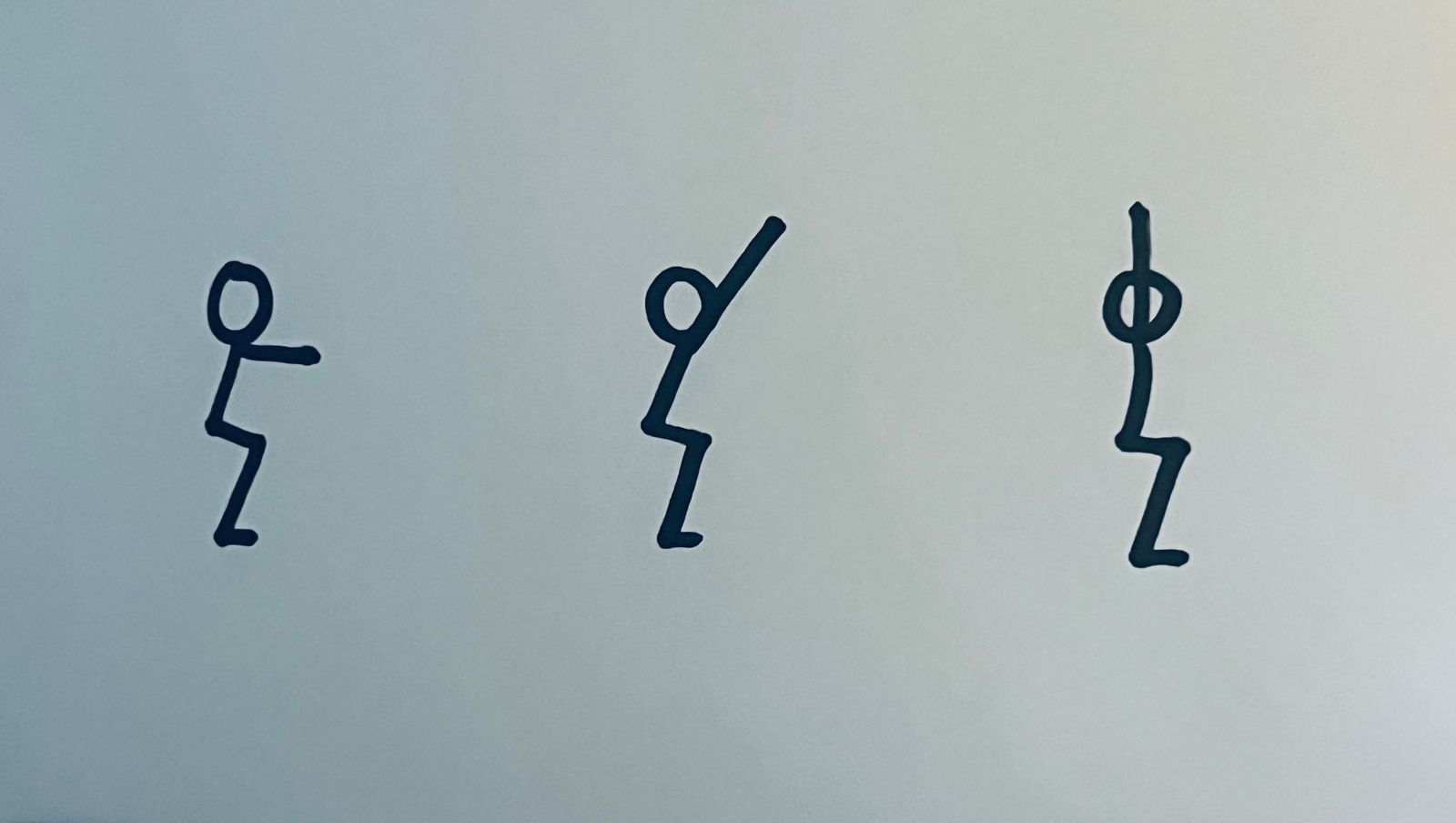
There are endless variations, but here are three foundational expressions I often lead in class. Each one can be built upon or modified with props:
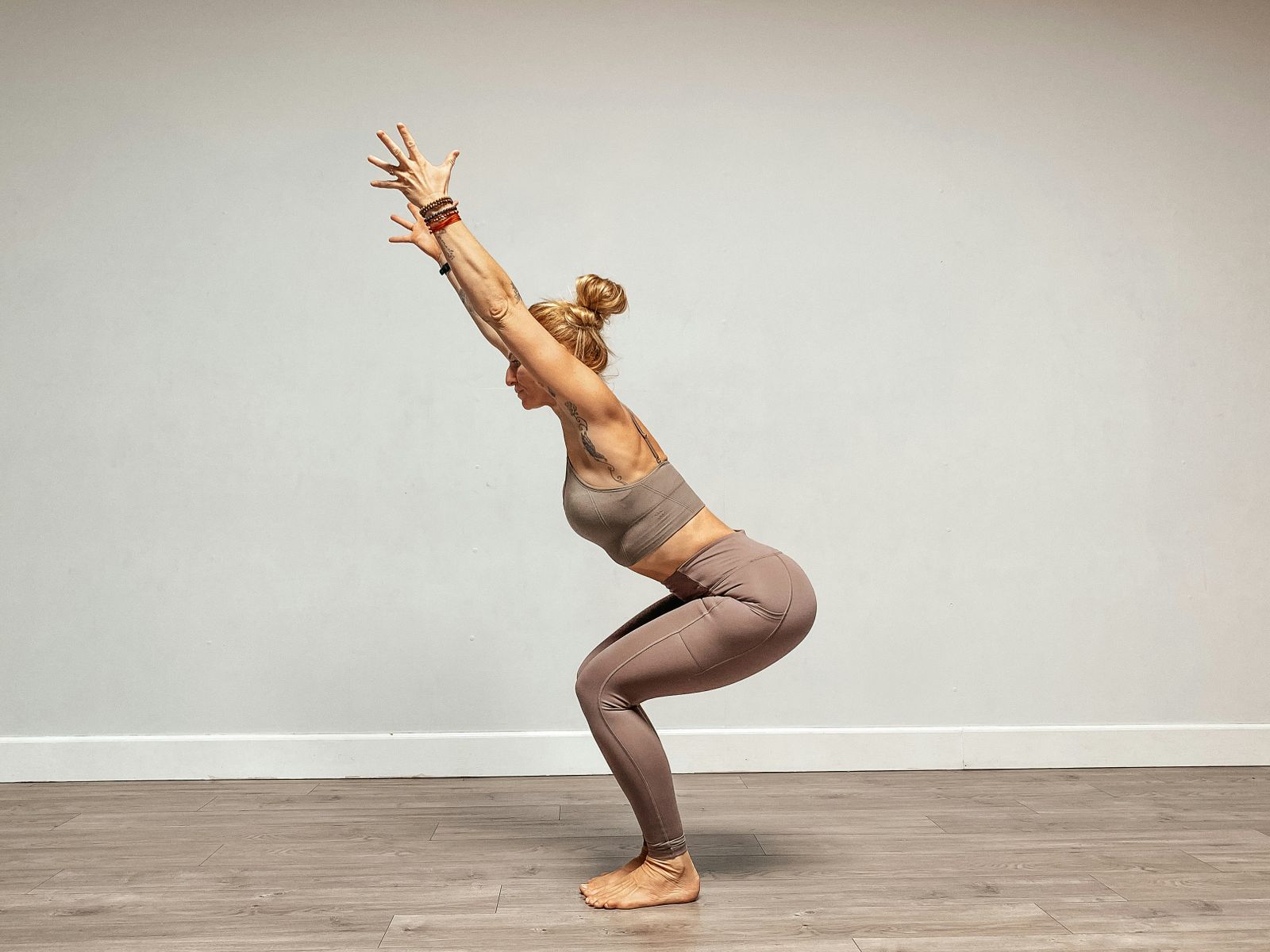

However you choose to approach this pose, it’s meant to challenge and awaken. But it should never cause pain, irritation, or frustration. Like all yoga asanas, Utkatasana can, and should, be modified, reimagined, and re-expressed depending on:
We are never exactly the same each time we come to the mat. Your practice doesn't need to be either.
Find ease within the effort.
Breathe.
And remember: all moments of intensity eventually come to an end.
If you quietly repeat this mantra to yourself while holding Chair Pose, your teacher might just transition you out of it before you finish the sentence.

Royalty Free Images: Unsplash.com
Sara Villamil | MAY 13, 2025
Share this blog post