The Healing Art of Breathing
Sara Villamil | FEB 1, 2025
The Healing Art of Breathing
Sara Villamil | FEB 1, 2025

Our core is so much more than the images ingrained in our minds from marketing and media. It’s a dynamic and intricate system designed to support, stabilize, and allow us to move with ease and grace.

Think of your core as a canister or container—a familiar shape, like this can of soup. Your core canister includes deep and surface layers, including the diaphragm, pelvic floor, hip girdle musculature, glutes, paraspinal and multiple abdominal muscles. Some even consider the shoulder girdle to be part of the core.
Each part plays a vital role in maintaining balance, providing strength, stabilizing the spine and pelvis, and regulating pressure throughout the body.
A guiding principle and function of the core is proximal stability for distal mobility.
Proximal: the core, the areas closest to the body's centre—extending from the shoulder girdle to the pelvic floor.
Distal: the limbs.
In simple terms, the strength, control, and stability of the core (proximal) create a solid foundation that allows the arms, legs, hands, and feet (distal) to move efficiently and freely. Picture the transition from Uttitha Trikonasana (Extended Triangle) into Ardha Chandrasana (Half Moon). Now, that's proximal stability for distal mobility!

Breathing deeply creates a full range of motion in the diaphragm and creates natural pressure that supports the function of the entire core and body, physically, emotionally, and otherwise.
By focusing on how we breathe and understanding how each part of the core is involved, we gain the power to heal, strengthen, and reconnect with this complex.
Breathwork is often the first step to rebuilding a connection to the body, especially following major life events like birth, injury, surgery, illness, or trauma. It can also be a powerful tool during stress and uncertainty (like right now, for example). It is far from the only tool, but a powerful one all the same.
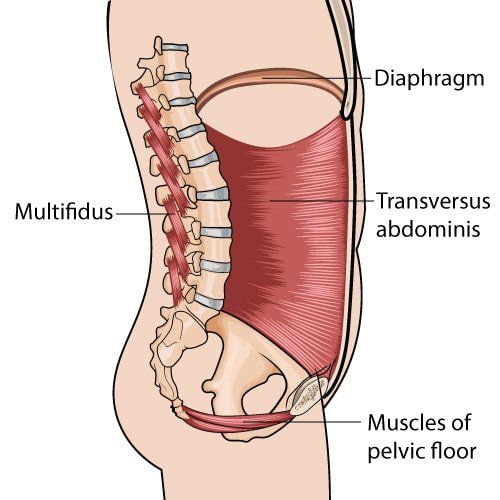
Top of the Canister:
Sides of the Canister:
Bottom of the Canister:
Together, the respiratory and pelvic diaphragm function like a piston, moving up and down in synchronicity to regulate intra-abdominal pressure and maintain core integrity.
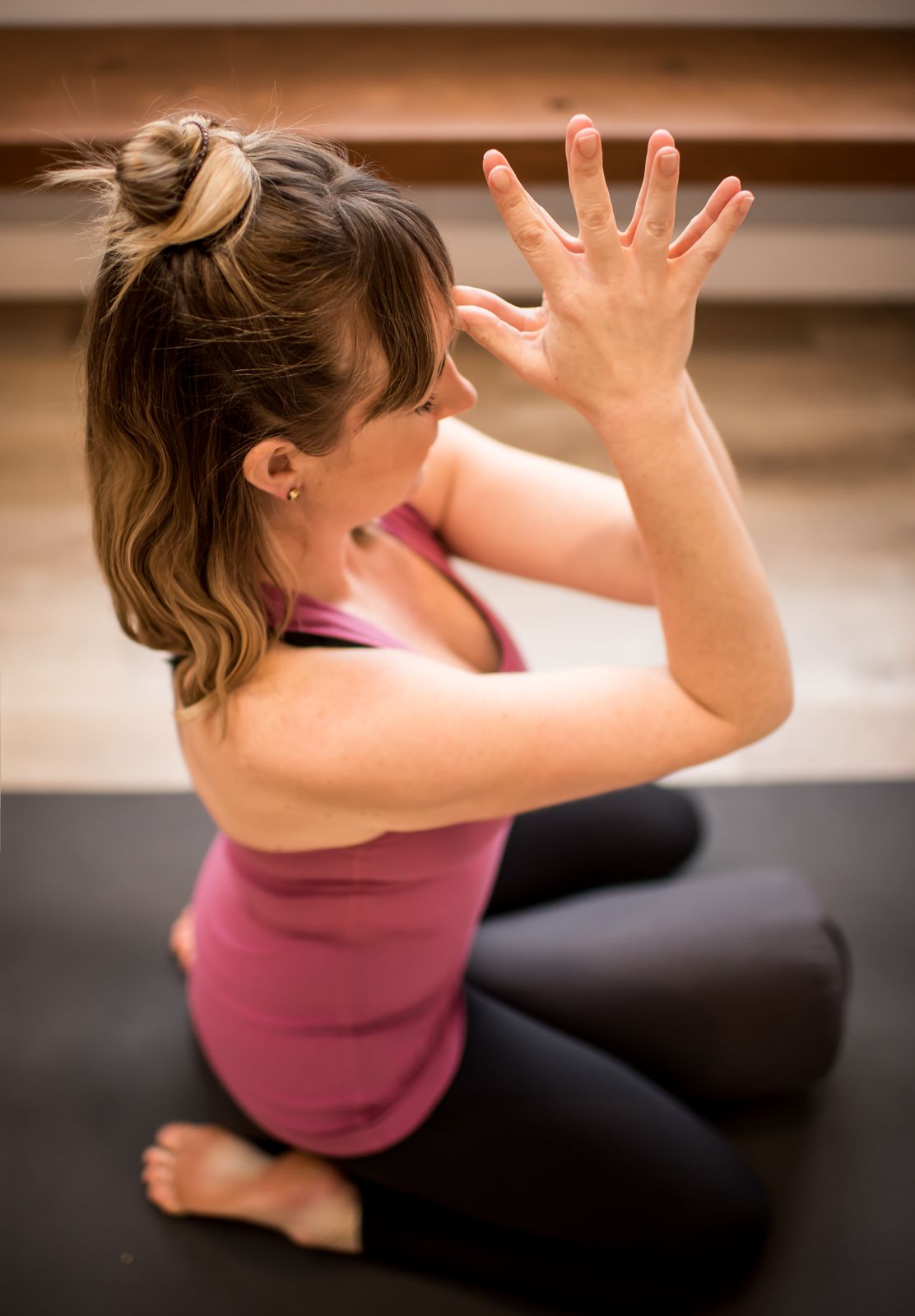
Given how essential breathing is to life, it might seem surprising that any of us could develop suboptimal breathing. Yet, habits sucking in our tummies, rapid or shallow breathing, holding our breath, living in a state of fight or flight, or tensing the body to protect an injury can all lead to breathing patterns with room for improvement.
The good news is that learning about and improving the way we breathe can truly help with symptoms of anxiety, worry, pain, stress, resilience, and regulation.
For healing, strength, and connection, focus on the synchronicity between the respiratory diaphragm and the pelvic floor:
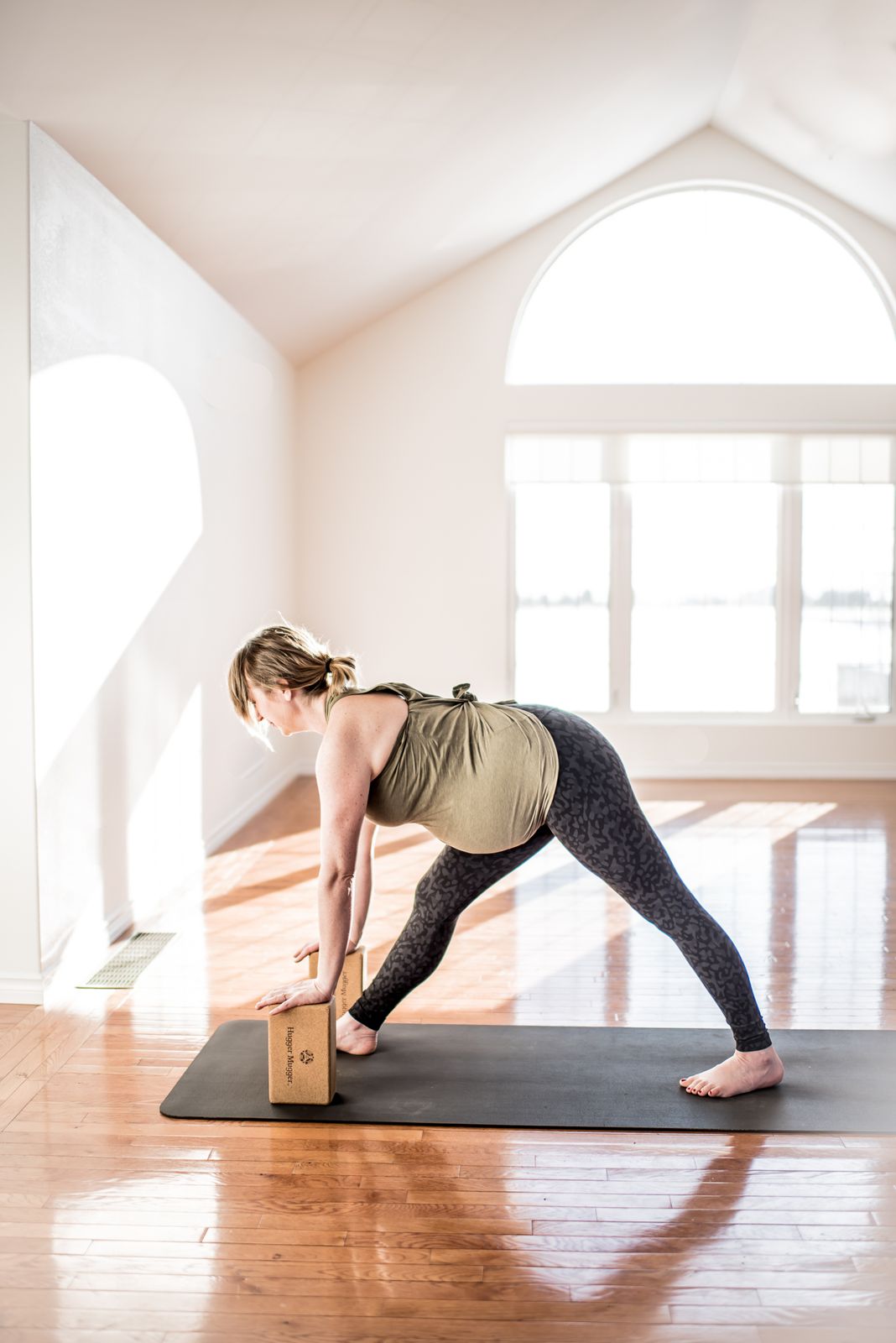
Pregnancy introduces unique challenges to this system. As the belly grows, an arc shape in the lower back and an anterior pelvic tilt may increase to support the changes happening in the body. This can put tension on the pelvic floor and make it harder to fully relax/move the pelvic floor through it's full range of motion while breathing.
To counteract this, focus on bringing the ribcage over the pelvis. I like the analogy of the ribcage being a big lampshade and casting even, cylindrical light over the pelvis. This alignment encourages the pelvic floor to fully expand/release and contract, preserving its strength and function.
Intentional breathing is a simple yet powerful tool for healing and reconnecting with your core. By understanding the coordination between the diaphragm, deep core muscles, and pelvic floor, we can cultivate strength, balance, healing, and resilience from within.

Sara Villamil | FEB 1, 2025
Share this blog post